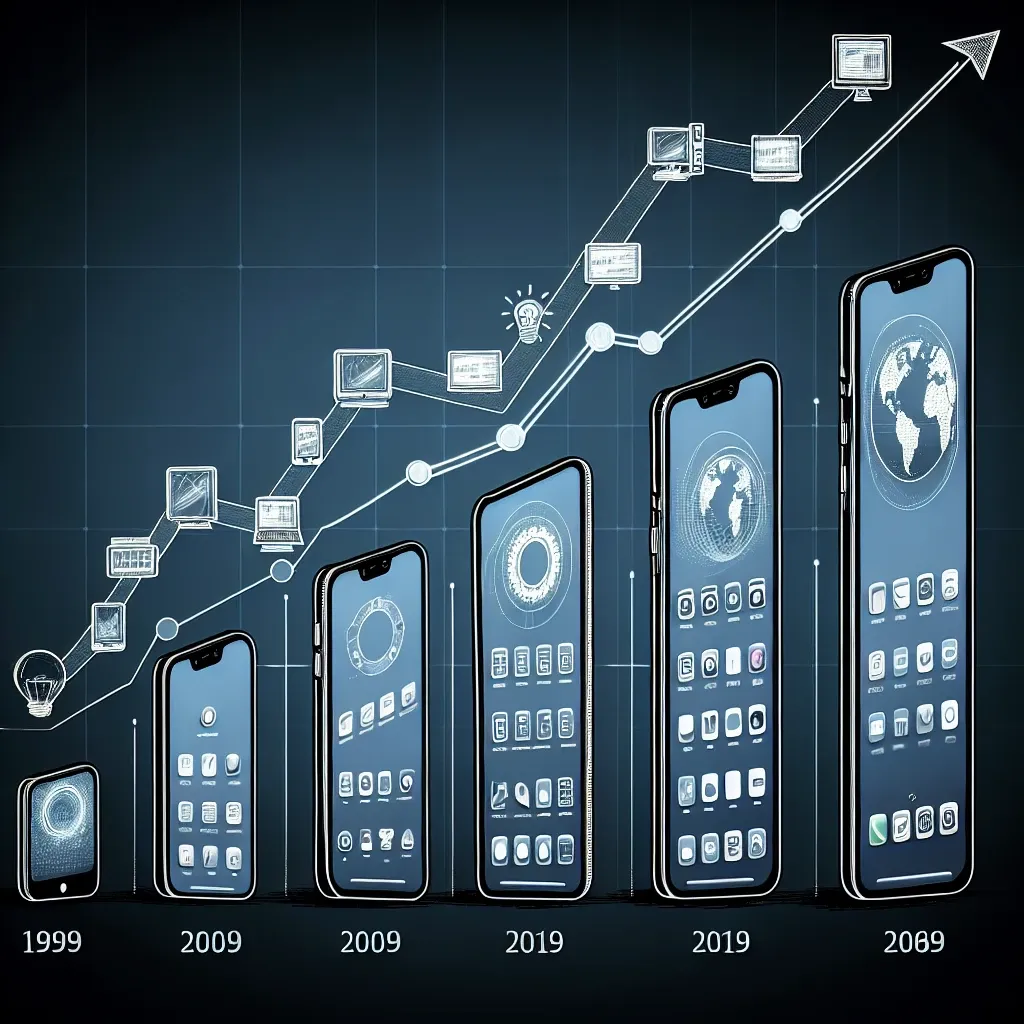
In the ever-evolving landscape of mobile technology, the maturation of mobile development frameworks has been a significant milestone. These frameworks have transformed the way developers create mobile applications, offering advanced features, enhanced performance, and improved user experiences. This article delves into the journey of mobile development frameworks, their current state, and what the future holds for this dynamic field.
The Evolution of Mobile Development Frameworks
The early days of mobile app development were marked by fragmented ecosystems and limited tools. Developers had to write separate codebases for iOS and Android, leading to increased development time and costs. The advent of cross-platform frameworks promised a solution, allowing developers to write once and deploy across multiple platforms. However, these early frameworks often fell short in terms of performance and feature parity.
Over the years, mobile development frameworks have undergone significant improvements. Today, they offer a wide range of capabilities, from native-like performance to seamless integration with backend services. This evolution has been driven by continuous innovation, community contributions, and the growing demand for high-quality mobile applications.
Key Features of Mature Mobile Development Frameworks
1. Cross-Platform Compatibility
One of the most significant advantages of mature mobile development frameworks is their ability to support multiple platforms seamlessly. Frameworks like React Native, Flutter, and Xamarin enable developers to write a single codebase that can be compiled and run on both iOS and Android. This not only reduces development time and costs but also ensures consistency across different platforms.
2. Native Performance
Mature frameworks have made significant strides in performance optimization. They utilize advanced techniques such as Just-In-Time (JIT) compilation and ahead-of-time (AOT) compilation to deliver native-like performance. This means that applications built using these frameworks can match or even surpass the performance of native apps, providing a smooth and responsive user experience.
3. Rich UI Components
Modern mobile development frameworks come with a rich set of pre-built UI components that can be easily integrated into applications. These components are designed to follow platform-specific design guidelines, ensuring a native look and feel. Developers can also customize these components to meet the specific needs of their applications, offering a high degree of flexibility and control.
4. Strong Community Support
A robust community is a hallmark of mature mobile development frameworks. Frameworks like React Native and Flutter have large and active communities that contribute to their development, provide support, and share best practices. This community-driven approach ensures that the frameworks remain up-to-date with the latest trends and technologies, making them a reliable choice for developers.
5. Extensive Documentation and Resources
Mature frameworks offer comprehensive documentation, tutorials, and resources that make it easier for developers to get started and build high-quality applications. These resources are often maintained by both the framework’s core team and the community, ensuring that developers have access to a wealth of information and guidance.
Benefits for Developers and Businesses
1. Faster Time-to-Market
Mature mobile development frameworks enable developers to build applications faster and more efficiently. The ability to write a single codebase that works across multiple platforms reduces the development cycle, allowing businesses to bring their products to market more quickly.
2. Cost Efficiency
By reducing the need to maintain separate codebases for different platforms, mature frameworks help businesses save on development costs. This cost efficiency is particularly beneficial for startups and small businesses with limited resources.
3. Enhanced User Experience
Applications built using mature mobile development frameworks offer a seamless and native-like user experience. The combination of high performance and rich UI components ensures that users enjoy a smooth and intuitive interface, which can lead to higher user engagement and satisfaction.
4. Scalability and Flexibility
Mature frameworks provide the scalability and flexibility needed to build complex and feature-rich applications. Developers can easily add new features and functionalities as the application grows, making it easier to adapt to changing business needs.
Case Studies
1. React Native at Facebook
Facebook, the company behind React Native, has been a strong advocate of the framework. They use React Native to build and maintain a significant portion of their mobile applications, including the main Facebook app and Instagram. The framework has enabled Facebook to deliver high-performance, feature-rich applications while reducing development time and costs.
2. Flutter at Alibaba
Alibaba, one of the world’s largest e-commerce companies, has adopted Flutter for their mobile development needs. They have used Flutter to build a variety of applications, including their flagship shopping app. The framework’s cross-platform capabilities and native performance have allowed Alibaba to deliver a consistent and high-quality user experience across iOS and Android.
Challenges and Considerations
1. Learning Curve
While mature mobile development frameworks offer numerous benefits, they do come with a learning curve. Developers new to these frameworks may need to invest time in learning the tools and best practices. However, the extensive documentation and community support can help ease this transition.
2. Platform-Specific Features
Although mature frameworks support cross-platform development, there may be limitations when it comes to accessing platform-specific features. Developers may need to use platform-specific code or third-party plugins to achieve certain functionalities, which can add complexity to the development process.
3. Dependency Management
Mature frameworks often rely on a wide range of dependencies, which can sometimes lead to issues. Developers need to carefully manage these dependencies to ensure that their applications run smoothly and are free from bugs.
Future Trends
1. Improved Tooling and IDE Support
The future of mobile development frameworks will likely see continued improvements in tooling and Integrated Development Environment (IDE) support. This will make it easier for developers to build, test, and deploy their applications, further enhancing productivity and efficiency.
2. Enhanced AI and Machine Learning Integration
As AI and machine learning become more prevalent, mature mobile development frameworks will increasingly integrate these technologies. Developers will be able to leverage AI and machine learning to build more intelligent and personalized applications.
3. Web and Desktop Support
Mature frameworks are expanding beyond mobile platforms to support web and desktop development. This multi-platform support will enable developers to build applications that can run on a wide range of devices, further increasing the reach and impact of their products.
Conclusion
The maturation of mobile development frameworks has revolutionized the way developers build mobile applications. With their cross-platform capabilities, native performance, rich UI components, and strong community support, these frameworks offer a compelling solution for both developers and businesses. As the mobile landscape continues to evolve, mature mobile development frameworks will play a crucial role in shaping the future of application development.
By embracing these frameworks, developers can build high-quality, feature-rich applications that meet the needs of modern users and businesses. The future looks bright for mobile development, and mature frameworks will undoubtedly be at the forefront of this exciting journey.
Leave a Reply