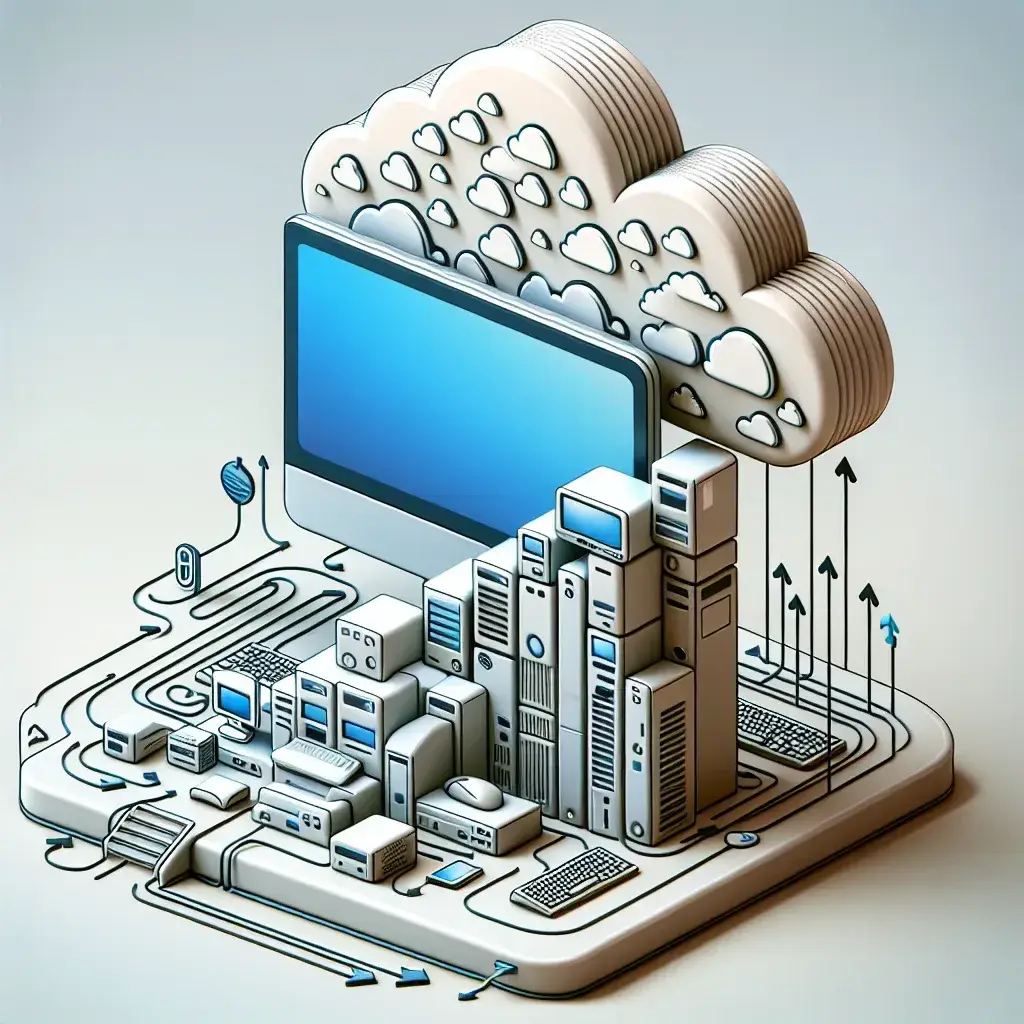
Desktop-as-a-Service (DaaS) has emerged as a transformative technology in the IT landscape, steadily gaining traction among businesses of all sizes. This cloud-based solution offers a flexible and cost-effective way to manage desktop environments, enhancing productivity and security while reducing the burden on IT departments. In this article, we will delve into the growing popularity of DaaS, its benefits, real-world applications, and the future of this innovative service.
What is Desktop-as-a-Service (DaaS)?
Desktop-as-a-Service (DaaS) is a cloud computing model where a provider hosts and manages virtual desktops for end-users. These virtual desktops can be accessed from anywhere, on any device, over the internet. The provider takes care of the underlying infrastructure, including servers, storage, and networking, allowing businesses to focus on their core operations without the need for extensive IT management.
Key Components of DaaS
- Virtual Desktops: Users access a virtualized desktop environment hosted in the cloud, which can be configured to meet specific business needs.
- Cloud Infrastructure: The provider manages the entire cloud infrastructure, ensuring scalability, reliability, and security.
- Access Control: Robust access control mechanisms ensure that only authorized users can access the virtual desktops.
- Support and Maintenance: The provider handles all technical support and maintenance, including software updates and security patches.
Benefits of Desktop-as-a-Service
DaaS offers a multitude of benefits that make it an attractive solution for businesses looking to modernize their IT infrastructure. Let’s explore some of the key advantages:
Cost Efficiency
One of the most significant advantages of DaaS is its cost efficiency. Traditional on-premises desktop environments require significant upfront investments in hardware, software, and IT staff. With DaaS, businesses can adopt a pay-as-you-go model, paying only for the resources they use. This eliminates the need for large capital expenditures and allows for better budgeting and financial planning.
Scalability
DaaS provides unparalleled scalability, enabling businesses to easily scale their desktop environments up or down based on demand. This is particularly useful for organizations with fluctuating workloads or seasonal peaks. The cloud-based nature of DaaS ensures that resources can be provisioned or deprovisioned quickly and efficiently, without the need for additional hardware or software.
Accessibility
DaaS allows users to access their virtual desktops from any device with an internet connection, including laptops, tablets, and smartphones. This flexibility is especially valuable in today’s remote and hybrid work environments, where employees need to be productive from anywhere. With DaaS, businesses can ensure consistent access to applications and data, regardless of the user’s location.
Security
Security is a top priority for businesses, and DaaS providers typically offer robust security measures to protect sensitive data. These measures include encryption, multi-factor authentication, and regular security audits. Additionally, the centralized management of virtual desktops makes it easier to enforce security policies and monitor user activities, reducing the risk of data breaches and other security incidents.
Disaster Recovery and Business Continuity
DaaS can play a crucial role in disaster recovery and business continuity planning. In the event of a natural disaster or other disruption, businesses can quickly restore access to their virtual desktops, ensuring minimal downtime and continued productivity. The cloud-based nature of DaaS ensures that data is backed up and stored in secure data centers, providing an additional layer of protection.
Use Cases of Desktop-as-a-Service
DaaS is versatile and can be applied in various scenarios to meet the specific needs of different industries. Here are some common use cases:
Remote Work
The rise of remote work has accelerated the adoption of DaaS. By providing secure and reliable access to virtual desktops, DaaS enables remote employees to work efficiently and collaborate seamlessly with their colleagues. This is particularly important for businesses that need to maintain high levels of productivity and security in a remote work environment.
Seasonal Workloads
Many businesses experience seasonal fluctuations in demand, requiring them to scale their resources up and down accordingly. DaaS offers the flexibility to quickly provision or deprovision virtual desktops based on the workload, ensuring that the business can meet its needs without incurring unnecessary costs.
Branch Offices
For businesses with multiple branch offices, DaaS can simplify IT management and reduce costs. Instead of maintaining separate IT infrastructure at each location, businesses can centralize their desktop environments in the cloud. This ensures consistent access to applications and data across all locations, improving productivity and reducing the need for on-site IT support.
Training and Development
DaaS is also useful for training and development programs. By providing virtual desktops to trainees, businesses can ensure that they have access to the latest software and tools without the need for physical hardware. This is particularly beneficial for training programs that require specialized software or equipment.
Challenges and Considerations
While DaaS offers numerous benefits, there are also some challenges and considerations that businesses should be aware of when adopting this technology:
Internet Connectivity
Reliable internet connectivity is essential for DaaS to function effectively. Poor or inconsistent internet connections can lead to latency and performance issues, impacting user experience. Businesses should ensure that they have a robust and stable internet connection to support their DaaS environment.
Data Privacy and Compliance
Data privacy and compliance are critical considerations for businesses, especially those operating in regulated industries. DaaS providers must adhere to strict data protection regulations and ensure that sensitive data is stored and transmitted securely. Businesses should carefully evaluate the security measures and compliance certifications of potential DaaS providers before making a decision.
Vendor Lock-in
Vendor lock-in is a potential risk when adopting DaaS. Businesses may find it difficult to switch providers or migrate their data to a different platform, especially if they have customized their virtual desktop environments extensively. To mitigate this risk, businesses should choose DaaS providers that offer flexible and interoperable solutions.
The Future of Desktop-as-a-Service
The future of DaaS is promising, with ongoing advancements in cloud technology and increasing demand for flexible and secure IT solutions. Here are some trends and developments to watch:
Artificial Intelligence and Machine Learning
Artificial intelligence (AI) and machine learning (ML) are expected to play a significant role in the future of DaaS. These technologies can be used to optimize resource allocation, improve user experience, and enhance security. For example, AI can analyze user behavior to predict and prevent potential security threats, while ML can optimize the performance of virtual desktops based on usage patterns.
Edge Computing
Edge computing is another trend that is expected to impact DaaS. By processing data closer to the source, edge computing can reduce latency and improve performance, especially for applications that require real-time processing. This can be particularly beneficial for DaaS environments that support resource-intensive applications or large datasets.
Integration with Other Cloud Services
DaaS is likely to become more integrated with other cloud services, such as software-as-a-service (SaaS) and platform-as-a-service (PaaS). This integration can provide a more seamless and unified cloud experience, enabling businesses to manage their entire IT infrastructure from a single platform. For example, DaaS providers may offer integrated solutions for data analytics, collaboration, and workflow automation.
Conclusion
Desktop-as-a-Service (DaaS) is a growing trend in the IT industry, offering businesses a flexible, cost-effective, and secure way to manage their desktop environments. With its numerous benefits and potential applications, DaaS is poised to play a significant role in the future of IT. By carefully evaluating their needs and choosing the right DaaS provider, businesses can harness the power of this innovative technology to drive productivity, enhance security, and achieve their strategic goals.
If you are considering adopting DaaS, it’s important to partner with a reputable provider that offers robust security, scalability, and support. Example DaaS Provider is a leading provider of DaaS solutions, offering a range of services to meet the diverse needs of businesses. To learn more about how DaaS can benefit your organization, visit Example DaaS Provider and explore their comprehensive suite of services.
Leave a Reply