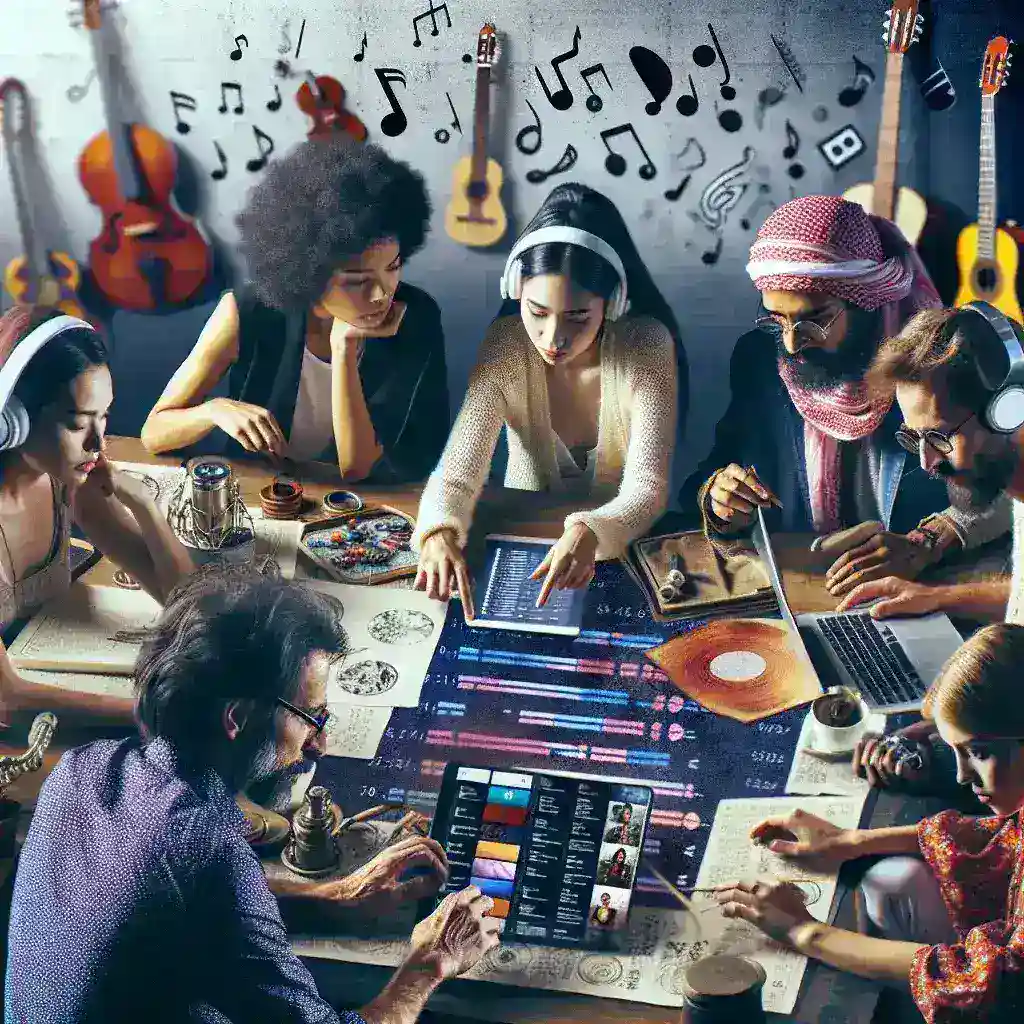
YouTube Music Expands Collaborative Playlist Editing to All Users
YouTube Music has recently taken a significant step towards enhancing its user experience by expanding collaborative playlist editing features to all users. This move marks a pivotal transition for the platform, allowing music lovers worldwide to come together in a shared musical journey, fostering community and connection through the love of music. With this new feature, YouTube Music stands out in the competitive streaming landscape, catering to the growing demand for collaborative experiences among users.
The Evolution of Collaborative Playlists
The concept of collaborative playlists is not new; it has been embraced by various music streaming services over the years. However, YouTube Music’s recent expansion signifies a deeper commitment to community engagement and user interactivity. Historically, collaborative playlists have allowed users to create and curate music together, encouraging social interaction and shared experiences. This expansion is particularly timely as more people are looking for ways to connect virtually, especially in the wake of global events that have kept many apart.
What Does This Mean for Users?
For the average user, this expansion means greater flexibility and creativity in how they enjoy music. Here are some key benefits:
- Enhanced Creativity: Users can pool their favorite tracks, creating diverse playlists that reflect a collective taste.
- Strengthened Connections: Friends and family can now collaborate on playlists for parties, events, or just personal enjoyment.
- Interactive Experience: The collaborative nature invites more engagement, as users can see what others have added, fostering discussions around music.
How to Create a Collaborative Playlist on YouTube Music
Setting up a collaborative playlist on YouTube Music is a straightforward process. Here’s a step-by-step guide to help you get started:
- Open YouTube Music: Launch the YouTube Music app or visit the website.
- Create a New Playlist: Click on the “Library” tab, then select “Playlists” and tap on “New Playlist.”
- Invite Collaborators: After creating the playlist, go to the playlist settings and toggle the option to allow collaborators to edit the playlist.
- Share the Link: Share the playlist link with friends and family, inviting them to add their favorite tracks.
- Enjoy Together: Listen and enjoy the playlist as it evolves with contributions from your collaborators.
Future Predictions for Collaborative Playlists
As YouTube Music continues to innovate, we can expect several trends and predictions regarding collaborative playlists:
- Increased Popularity: Collaborative playlists are likely to see a surge in usage, particularly among younger audiences who thrive on sharing and collective experiences.
- Integration with Other Features: Future updates may include integration with social media platforms, allowing users to share their playlists widely.
- Enhanced Discovery: The algorithm may evolve to suggest new songs based on collective preferences, enhancing music discovery.
The Cultural Relevance of Collaborative Playlists
Collaborative playlists hold significant cultural relevance in today’s music landscape. They not only allow for personal expression but also reflect broader cultural trends. In an increasingly connected world, music serves as a universal language that brings people together. Collaborative playlists embody this concept, showcasing diverse perspectives and tastes, while also fostering community bonds. Moreover, in times of social distancing and virtual interactions, these playlists provide a way for individuals to connect and share joy from afar.
Expert Insights on the Impact of Collaborative Features
Experts in the field of music and technology have weighed in on the impact of collaborative playlists. Dr. Emily Harmon, a cultural sociologist, notes, “Music has always been a means of connection. The ability to create and share collaborative playlists allows people to express their identities and engage with one another in meaningful ways, even when physically apart.” This sentiment resonates with many users who find solace and companionship through shared musical experiences.
Pros and Cons of Collaborative Playlist Features
As with any feature, there are both advantages and disadvantages to consider:
Pros:
- Community Engagement: Fosters a sense of belonging and community.
- Diverse Music Selection: Users get to explore a wider range of genres and tracks.
- Shared Experiences: Enhances social interactions and collective enjoyment of music.
Cons:
- Quality Control: With multiple contributors, there may be a lack of cohesion in the playlist.
- Potential Conflicts: Disagreements may arise regarding song selections.
- Privacy Concerns: Users may be hesitant to share playlists publicly.
Real-Life Examples of Successful Collaborative Playlists
Several successful collaborative playlists have garnered attention on YouTube Music. For instance, playlists created for events like weddings or parties often see contributions from multiple friends and family members, resulting in a unique blend of songs that cater to the mood of the event. Additionally, many artists have embraced collaborative playlists, inviting fans to contribute their favorite songs, creating a sense of community around the artist’s music.
The Future of Music Sharing
As technology continues to evolve, the ways in which we share music will also change. YouTube Music’s expansion of collaborative playlist editing is just one example of this ongoing transformation. Predictions indicate that future music-sharing platforms will leverage artificial intelligence and machine learning to curate personalized experiences, making it easier for users to discover and share music they love.
Conclusion
YouTube Music’s expansion of collaborative playlist editing to all users is a noteworthy development in the realm of music streaming. This feature not only enhances the user experience but also strengthens connections among users, allowing them to share their love for music in a collaborative setting. As we look to the future, the possibilities for collaborative playlists are vast, promising to enrich our musical experiences and foster community engagement. Whether it’s creating a playlist for a road trip or simply sharing favorite tracks with friends, the power of music to connect us remains as strong as ever.
Leave a Reply